The traditional resume has remained largely unchanged for decades, despite dramatic shifts in how companies recruit and hire talent. Today, as organizations face increasing pressure to identify qualified candidates quickly and accurately, artificial intelligence is revolutionizing the hiring landscape in several key ways.
The Current Resume Challenge
Most hiring managers spend mere seconds reviewing individual resumes during initial screening. Meanwhile, corporate job openings often attract hundreds of applications, creating an overwhelming volume for recruiters to process. This reality has created a system where many qualified candidates are filtered out before a human reviewer ever sees their application.
This inefficiency creates problems on both sides of the hiring equation:
- For candidates: Many qualified applicants are rejected by automated tracking systems due to formatting issues or missing keywords
- For employers: HR teams dedicate significant time to manually screening resumes, often delaying the hiring process and increasing costs
How AI Is Transforming the Resume Process
Artificial intelligence is addressing these challenges through several innovations:
1. Enhanced Resume Screening
Machine learning algorithms can now scan resumes more effectively, identifying not just keywords but contextual relevance. This allows for more nuanced candidate assessment beyond simple word matching.
2. Bias Reduction
Well-designed AI tools aim to reduce unconscious bias in the hiring process. By focusing on skills and qualifications rather than demographic information, these systems can help create more diverse candidate pools.
3. Skills-Based Matching
Modern AI focuses on skills rather than just experience or education. As the job market evolves rapidly, this skills-first approach helps match candidates to positions based on capabilities rather than traditional career paths.
4. Dynamic Resume Creation
AI can now help candidates craft resumes that align more precisely with specific job descriptions. This targeted approach helps applicants highlight their most relevant qualifications for each position.
5. Predictive Analysis
Some advanced AI systems analyze patterns from successful hires to identify promising candidates who might be overlooked in traditional screening processes. This can help organizations discover talent that doesn’t fit conventional profiles.
Implementation Challenges
Despite these benefits, organizations face implementation hurdles:
- Ensuring AI systems don’t perpetuate existing biases
- Building trust with candidates and hiring managers
- Integrating new technologies with legacy HR systems
- Maintaining compliance with evolving data privacy regulations
The Future of AI and Resumes
Industry trends suggest that the traditional static resume may gradually evolve toward more dynamic, AI-powered talent profiles that can update in real-time and match candidates to opportunities with greater precision.
Solutions in the Market
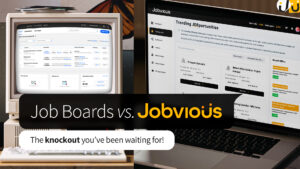
Several companies are pioneering this transformation. Jobvious is one such innovator, offering an AI Resume Builder that helps candidates create tailored, relevant resumes aligned with specific job descriptions. Their platform combines AI-powered resume optimization with a unique referral system, providing both optimized candidate materials and built-in credibility through human connections.
For organizations looking to improve their hiring efficiency and effectiveness in this new AI-powered landscape, exploring tools like those offered by Jobvious could be a valuable next step.
You may also like: Is Your Resume Holding You Back? 5 Mistakes that You’re Probably Making